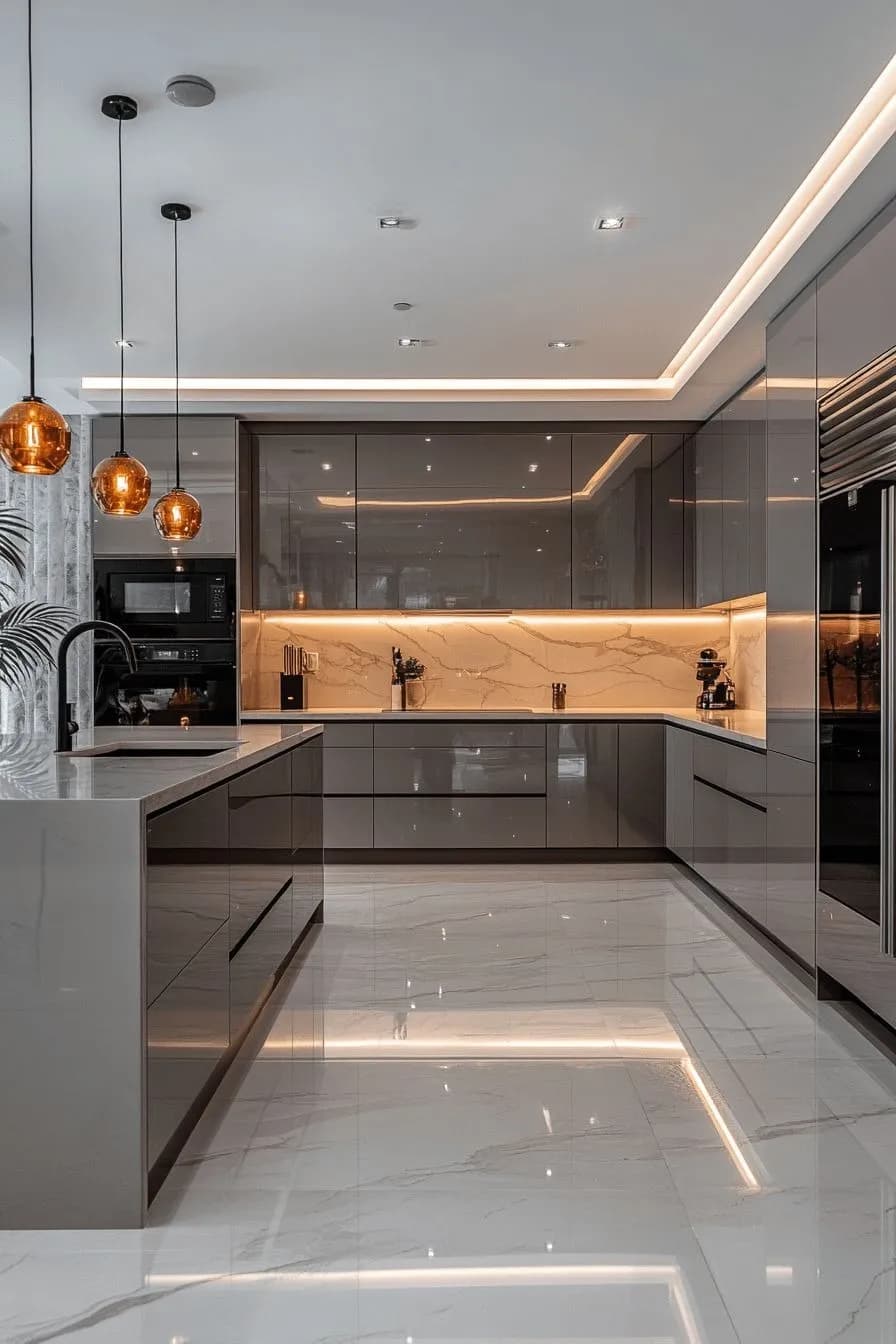
Crockery & Display: A Complete Storage Guide for Crockery & Glassware
A beautiful crockery & glassware setup is more than just a space saver in the cupboard. It provides a proper place for your tableware, keeps fragile pieces safe and makes a simple storage practice look nice. If you're installing a new crockery display cabinet into your new dining room or replacing your old, cramped cupboard, knowing what to consider when purchasing a new cabinet will save you the hassle of ordering the wrong size or style.
What Should a Crockery Display Cabinet Actually Store?
Making a list of all the components that need to be stored in the unit before selecting one is useful. Most crockery display cabinet designs can be divided into major categories. Knowing where each item belongs will help one avoid the problem of overcrowding later. Daily use items should be accessible, while fine china or crystal should be protected behind glass.
Popular Styles of Crockery Units
Crockery units come in various styles to suit different dining room layouts and aesthetic preferences.
.jpeg&w=1920&q=75)
Wall-Mounted Units
Perfect for compact dining spaces, these units hang on the wall, freeing up floor space while keeping delicate glassware safely out of reach of children.
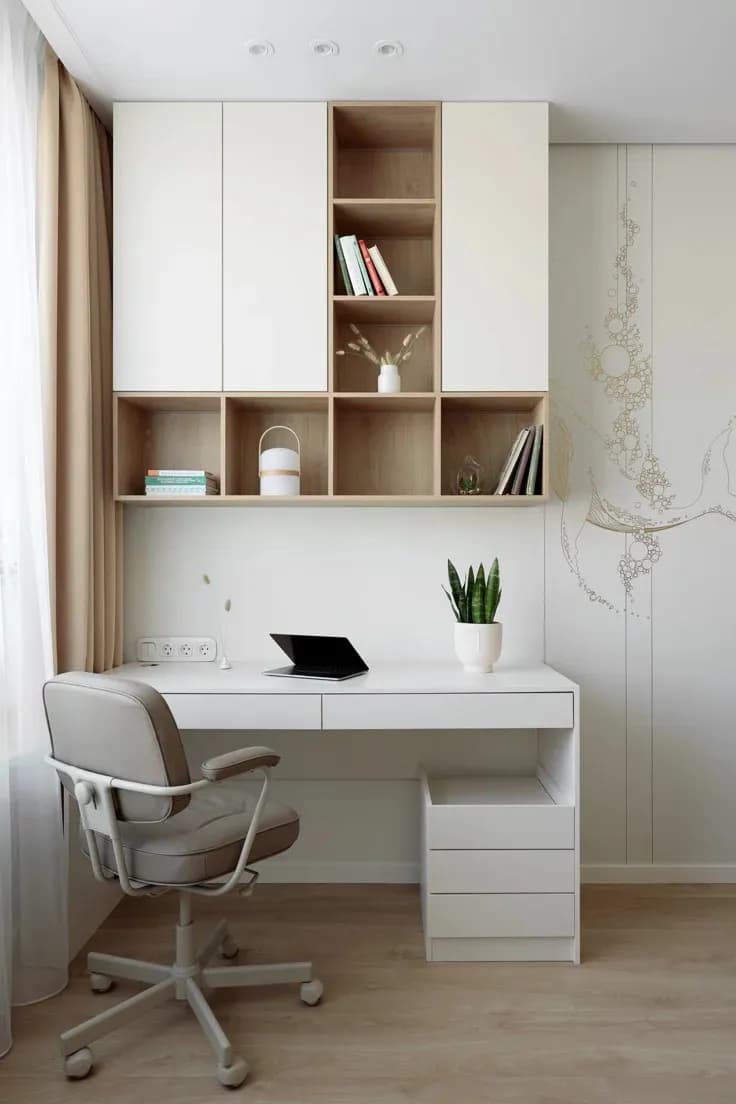
Freestanding Cabinets
Traditional tall cabinets with glass fronts on the upper half and solid doors below, offering a mix of display and concealed storage.
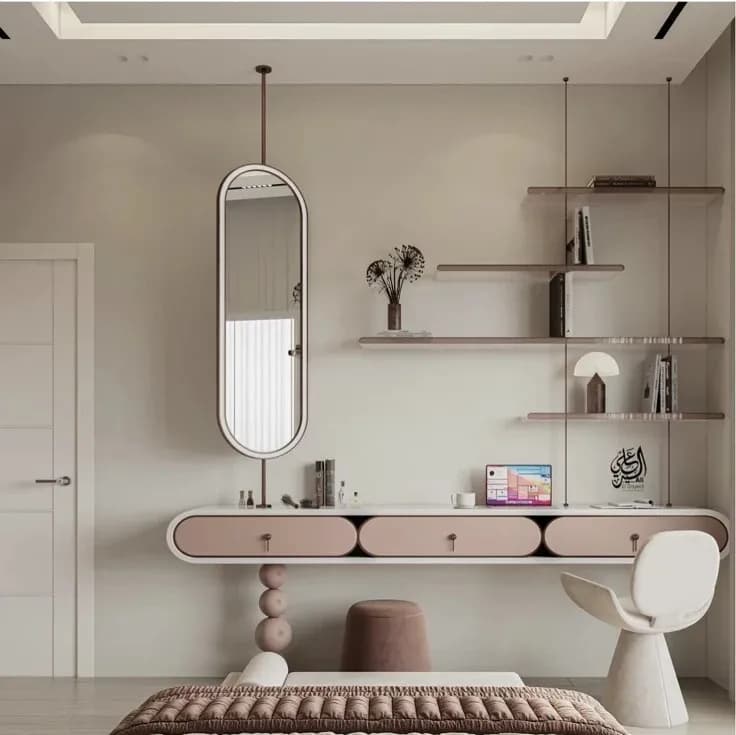
Built-In Niches
Custom-designed shelves integrated directly into wall recesses, creating a seamless architectural look in your dining room.
Sideboards and Buffets
Low-height units that offer solid storage below and a counter surface above for serving food during dinner parties or displaying decor.
Corner Display Units
Make use of dead corners in the dining room with a specialized tall unit that curves or angles to fit perfectly.
Room Divider Units
Open-access crockery units that double as a partition between an open-plan living and dining area, allowing light to pass through.
How Kraftline Designs Your Crockery Display Unit
Kraftline approaches crockery unit design by evaluating the weight of your dinnerware and the delicacy of your crystal. We design sturdy, reinforced shelves for heavy plates and integrate soft LED lighting behind glass doors to beautifully illuminate your fine china and glassware without casting harsh shadows.
Ready to display your fine dining collection elegantly? Talk to our design experts today!
Planning a Storage?
Get a Clear Estimate Now!
Our smart Cost Calculator can provide you with a detailed estimate for your specific project. You just need some details, a few seconds, and you're done! No hidden fees, no obligations, just an estimated number that serves as your starting point.
Smart Features for Modern Crockery Display Cabinets
A well-designed display cabinet does more than hold plates; it protects and highlights your collection.
Integrated Accent Lighting
LED spotlights or strip lights inside the glass cabinets create a stunning display effect for crystal and fine china during evening dinners.
Toughened Glass Doors
Use tinted, frosted, or clear toughened glass for the cabinet fronts to protect delicate stemware from dust while keeping it visible.
Felt-Lined Cutlery Drawers
Include shallow, soft-close drawers with customized felt-lined compartments to prevent silverware from tarnishing and scratching.
Heavy-Duty Shelving
Stacks of dinner plates are surprisingly heavy. Use reinforced engineered wood or thick glass shelves supported by high-grade brackets.
Plate Grooves
Wooden shelves can be routed with a small groove near the back edge, allowing decorative plates to stand upright securely.
Concealed Lower Storage
Keep the bottom half of the unit enclosed with solid doors to hide table linens, placemats, serving trays, and less attractive everyday items.
Frequently Asked Questions
Everything you need to know about designing and maintaining a crockery unit.
Customizing your Storage?Get a Clear Estimate Now!
Our smart Cost Calculator can provide you with a detailed estimate for your specific project. You just need some details, a few seconds, and you’re done! No hidden fees, no obligations, just an estimated number that serves as your starting point.
Design Your Perfect Crockery Display With Kraftline
Schedule a free design consultation with Kraftline's interior experts in Pune, Mumbai, Bangalore, or Goa. We'll measure your space, create 3D renders, and tailor a custom crockery unit for your dining room.